
ONE PARTNER · FULL DELIVERY PATH
A Turnkey Path From Spec to Delivered Product
The strongest commercial story on the site is not any single service. It is the ability to connect all the stages that usually force buyers to manage too many vendors.
Included Scope
What this service is built to handle
- Integrated commercial and execution path across design, fab, package, test and delivery
- Useful for startups, global teams and non-fabless organizations entering custom silicon
- Simpler stakeholder communication and milestone visibility
- Flexible scope that can start with one stage and expand as the program matures
Best Fit
Common situations where this path makes sense
- Companies building their first custom chip supply chain
- Global teams wanting a single execution partner in Asia
- Programs where schedule coordination matters as much as technical execution
Deliverables
Typical outputs from TOMPW coordination
- Scope map across the full silicon journey
- Coordinated vendor path
- Milestone communication structure
- Delivery-ready support model
ENGAGEMENT MODEL
How Turnkey ASIC Solutions runs stage by stage
Turnkey does not remove the stages of a chip programme. It removes the gaps between them, and one partner carries the handoffs. This is the working model used to scope an engagement.
Stage 1
Scope and commercial frame
What we need from you
- • Product intent or block diagram
- • Node preference, or the constraints that decide it
- • Volume ramp expectation
- • Dates that are genuinely fixed
What TOMPW handles
- • Stage map with named handoffs
- • Candidate foundry and package routes
- • Cost structure split between NRE and unit cost
Exit gate: Buyer confirms which stages sit inside TOMPW scope.
Stage 2
Design entry
What we need from you
- • Existing RTL, netlist, or nothing yet
- • Third-party IP list and licence status
- • EDA environment currently in use
What TOMPW handles
- • Gap list between current state and tape-out readiness
- • Design support plan or specialist introduction
- • PDK access and NDA handling
Exit gate: Freeze point for RTL or netlist is agreed in writing.
Stage 3
Foundry interface and tape-out
What we need from you
- • Locked node
- • Mask strategy: MPW shuttle, NTO or full mask
- • Acceptable shuttle window
What TOMPW handles
- • Foundry submission package
- • Sign-off checklist per discipline
- • Tape-out calendar with review dates
Exit gate: Foundry accepts the package and the last sign-off item closes.
Stage 4
Package, test and sample build
What we need from you
- • Package family, pin count and thermal envelope
- • Target test coverage and sample quantity
- • Reliability target, if the end market carries one
What TOMPW handles
- • OSAT route and fixture plan
- • Test programme and limits document
- • Sample build schedule
Exit gate: Sample build released against agreed test limits.
Stage 5
Volume release and logistics
What we need from you
- • Forecast and ship-to regions
- • Quality and qualification requirements
- • Export screening information for the end customer
What TOMPW handles
- • Volume ramp plan with the foundry and OSAT
- • Qualified vendor set for the repeated lots
- • Shipping and compliance documentation
Exit gate: First production lot released.
Scope can start at any stage. Most programmes enter here at design handoff, tape-out or package build, and expand once the first round of handoffs works.
Limits worth agreeing before you commit
- • TOMPW does not fabricate wafers. Manufacturing runs at the selected foundry, and foundry acceptance governs the schedule.
- • Pricing is built stage by stage, so a tape-out-only scope is priced differently from a spec-to-delivery scope.
- • Yield, reliability and qualification results are foundry- and OSAT-specific and should be re-estimated for your product conditions.
- • Programmes with defence end-uses are screened before any technical material is shared.
Execution Notes
Commercially important details buyers usually ask later
- Turnkey does not mean every step must start at once. The scope can expand over time.
- Scope does not have to start at full turnkey: many programs begin with a single stage and expand once the handoffs are working.
- The content deliberately emphasizes execution clarity over inflated technical claims.
Next Move
Share node, schedule and downstream requirements together
The right recommendation depends on more than one keyword. For example, package, CP, FT and sample goals often change whether MPW, NTO or a broader turnkey path makes the most sense.
Email project contextFAQ
Questions buyers ask around Turnkey ASIC Solutions
On this site, turnkey means TOMPW coordinates the broader chain — design support, tape-out, manufacturing, packaging, test and delivery — instead of only one isolated stage. One partner owns the handoffs so the program stays coherent end to end.
No. It can be especially useful for smaller teams that need one operational bridge into the semiconductor supply chain. Turnkey scope can start with a single stage and expand as the program matures, so it fits both startups and larger programs.
Yes, and it is common. Scope can open at design handoff, tape-out, package build or the sample stage, then expand once those handoffs are working. Entering late usually means fewer stages sit inside TOMPW scope, not a different access level.
Enough to place the program: product intent or block diagram, node preference if one exists, package direction, expected volume ramp and the dates that are genuinely fixed. Existing design data helps, but it is not required to start scoping.
It changes what is being paid for rather than simply adding a layer. Managing tenders, schedule conflicts and handoff gaps internally also carries cost, and that cost is usually hidden inside engineering time. Comparing both paths properly means pricing them against the same scope.
Volume release can sit inside the scope. The model covers the ramp plan, the qualified vendor set and shipping documentation, while underlying pricing and lead times follow the foundry and OSAT terms agreed for your specific lots.
Related Services
Adjacent steps in the same silicon program
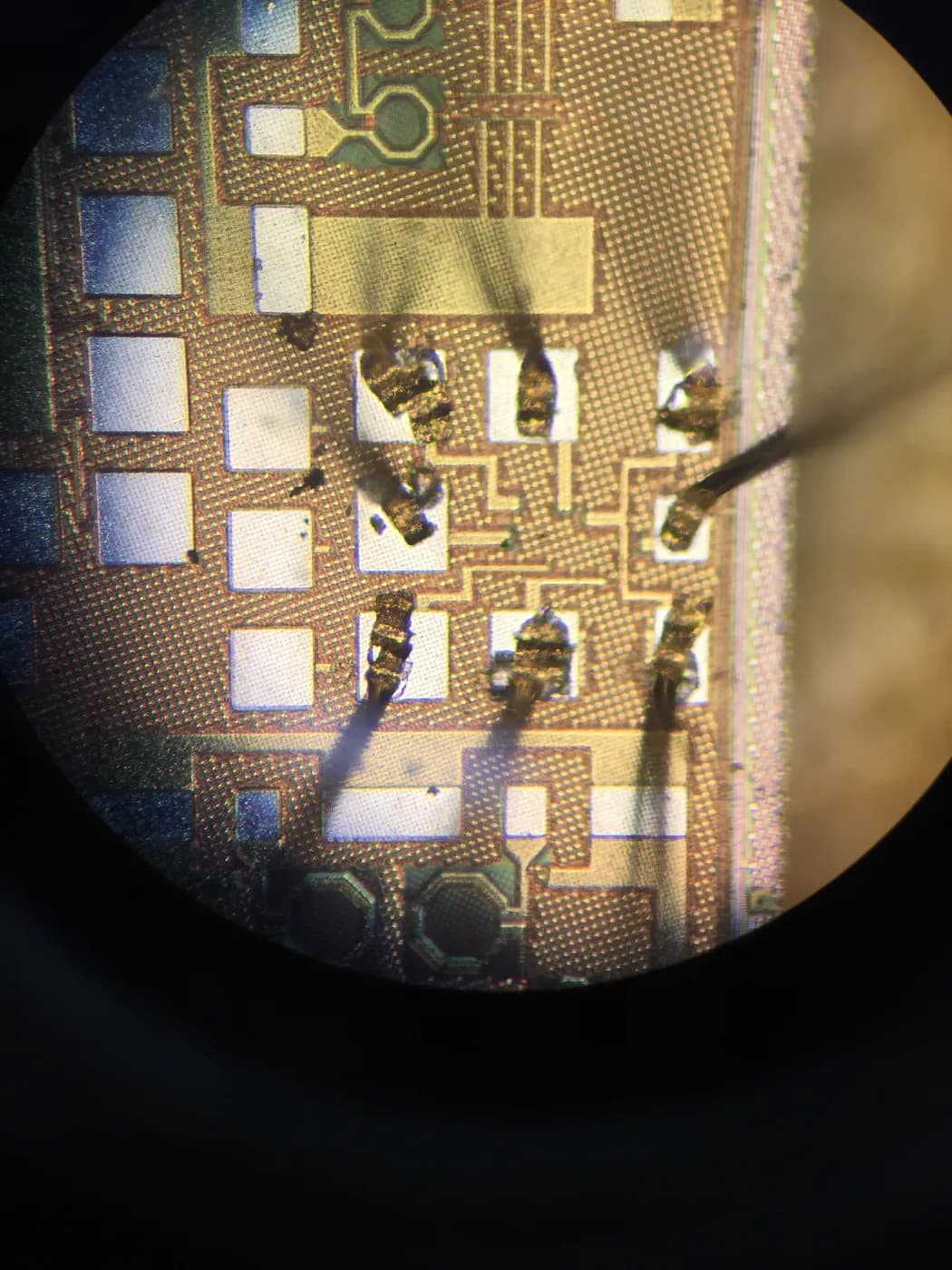
LOWER NRE · FASTER FIRST SILICON
MPW / Fab Shuttle
Compare public shuttle windows across foundries, control first-silicon cost and move from tape-out planning to wafer delivery with one execution path.
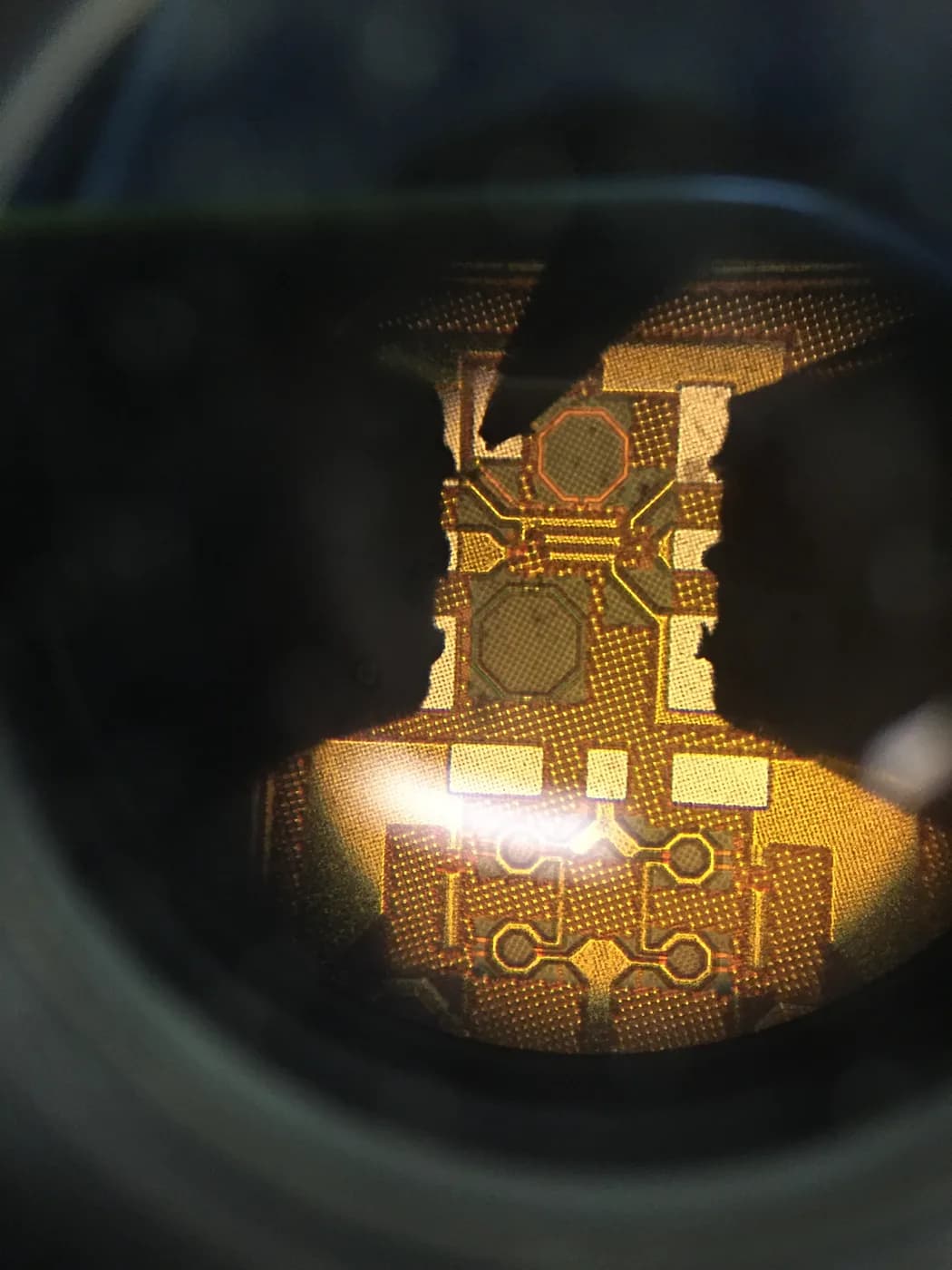
ARCHITECTURE TO RTL
ASIC / SoC Design
Support architecture, RTL and integration planning for teams moving from specification to implementation.

ASSEMBLY PATH TO SHIPPABLE PRODUCT
Semiconductor Packaging
Semiconductor packaging through external assembly and test providers, with TOMPW coordinating package selection, supplier review and assembly-to-test handoff.
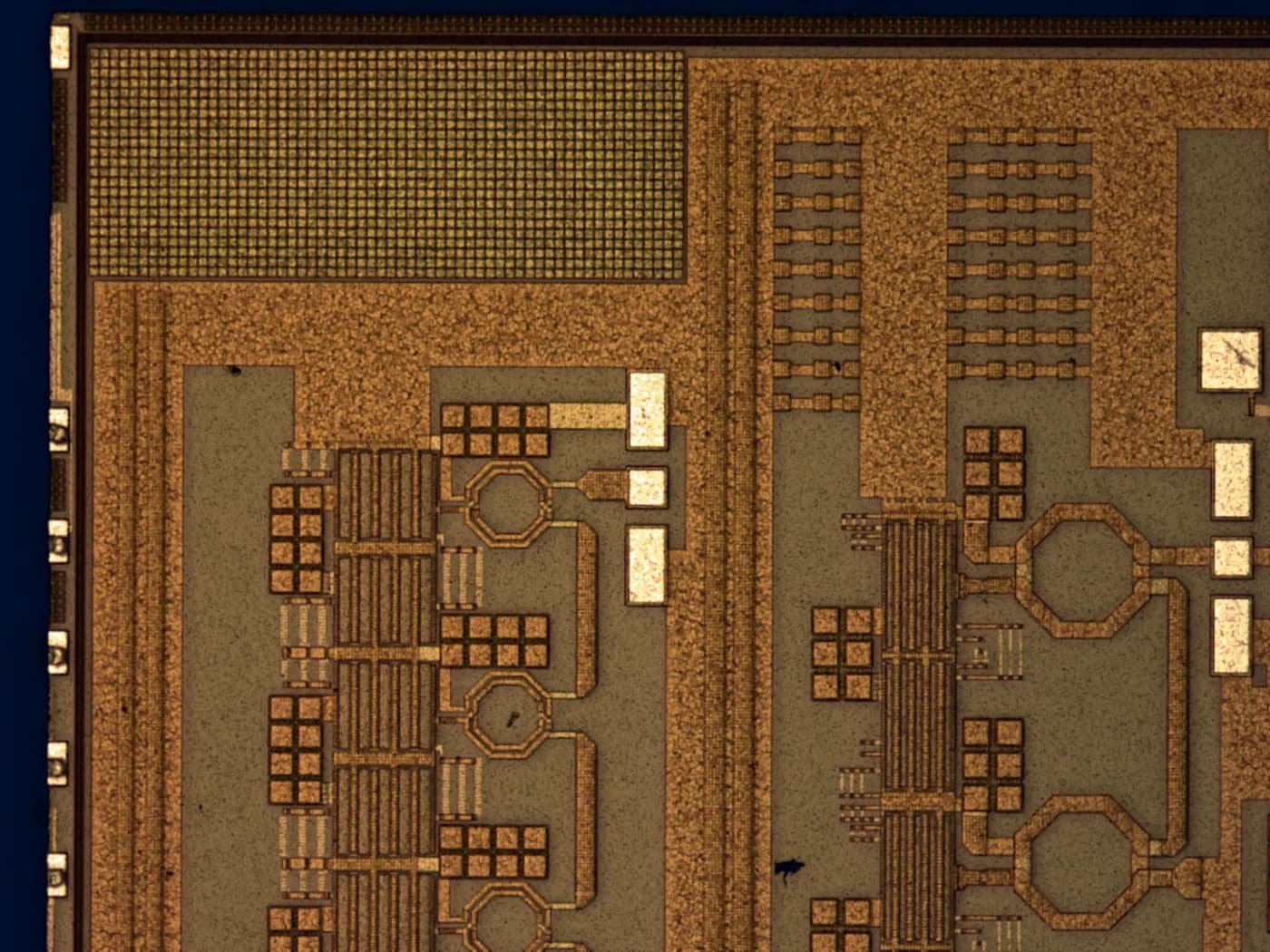
ONE COORDINATED CHAIN
Supply Chain & Logistics
Simplify handoffs across fabs, packaging houses, test providers and international delivery partners.
FOUNDRY COVERAGE
Foundry profiles to compare for this path
Compare public technology profiles for Turnkey ASIC Solutions, from advanced logic to mature analog, compound and specialty processes. PDK access, contracting route and current availability are confirmed for each project.
PLANNING TOOLS
Handoff checks and planning tools
Review declared handoff inputs with local-only checks, and keep cost and die-count estimates separate from engineering approval.
Tape-out Budget Estimator
Full program model: DPW, yield, packaging, HBM, test, NRE and volume → unit cost, price and gross margin.
Open tool →Wafer & Unit Cost Calculator
Turn a wafer run into a per-chip cost: dies per wafer, yield, packaging and test, plus a target margin.
Open tool →Die Per Wafer Calculator
Count complete dies from Shot/Field layouts with flat or notched wafer boundaries, edge clearance and optional yield estimates.
Open tool →Wafer Test CSV Map & Yield Report
Map explicit PASS, FAIL and EXCLUDE die coordinates. Resolve retests only with a stated policy and show exactly which sites enter the yield denominator.
Open tool →