
BACKEND TO SIGN-OFF
Physical Implementation That Stays Aligned With Tape-Out
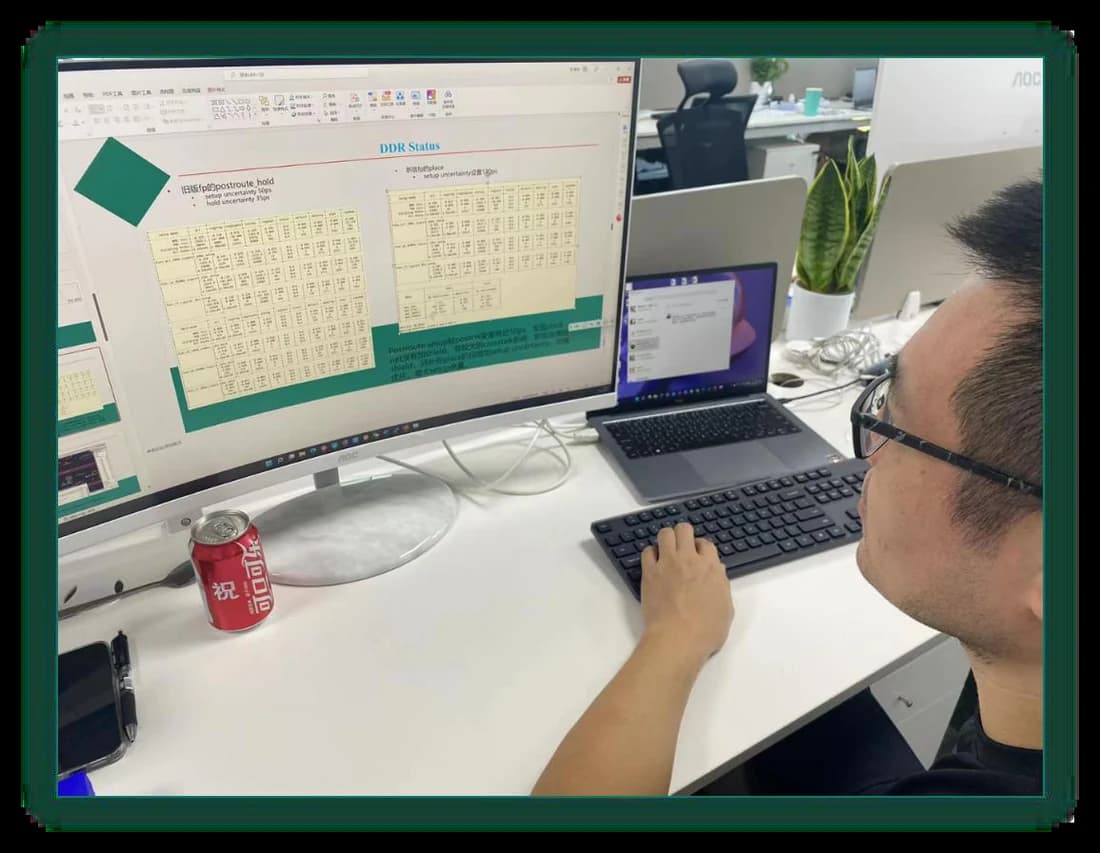
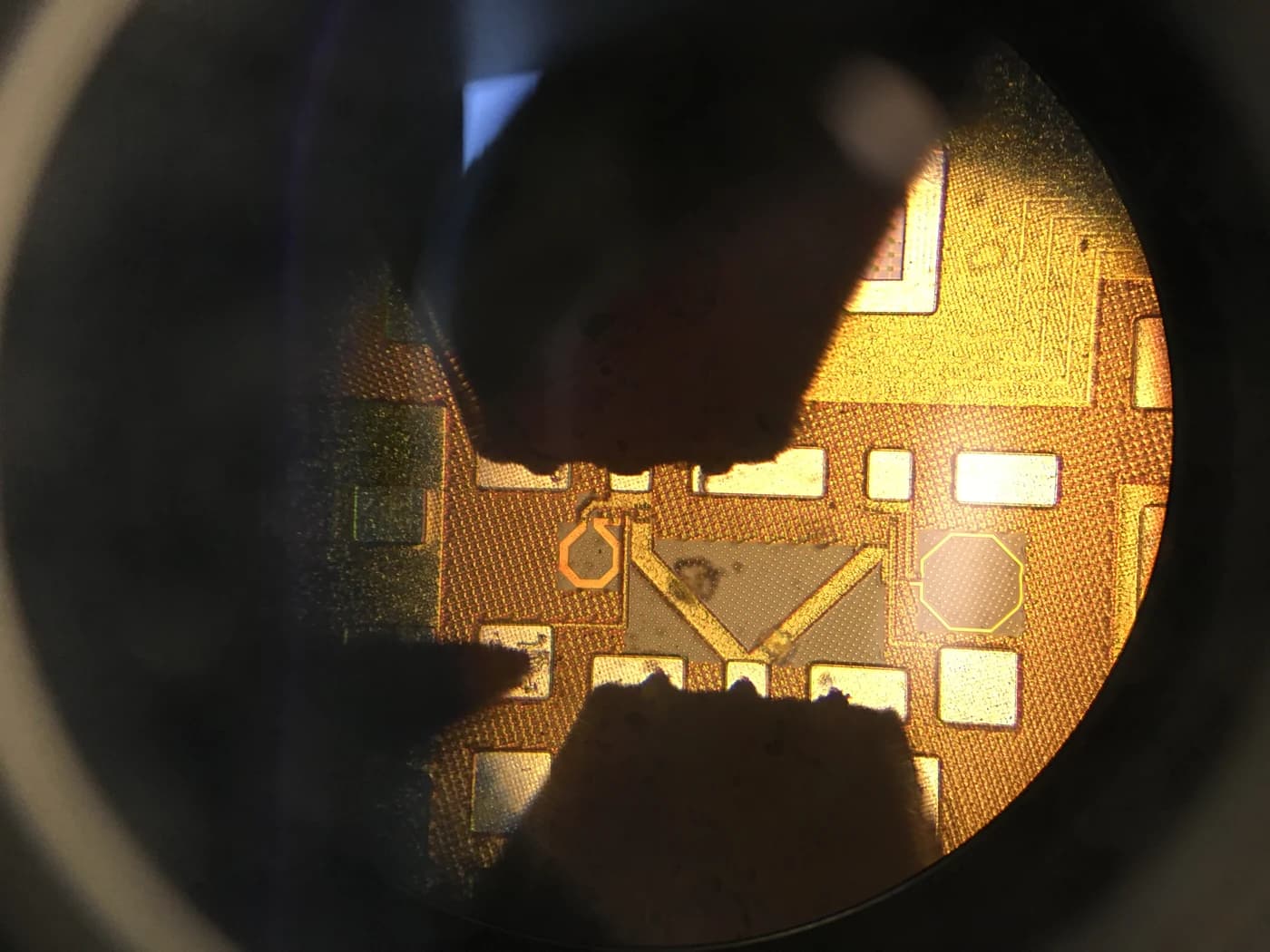
Backend quality is where schedule, PPA and manufacturability start to collide. TOMPW supports the path from implementation planning to tape-out preparation.


Included Scope
What this service is built to handle
- Backend planning connected to foundry rule expectations
- Digital and mixed-signal implementation coordination
- Sign-off checklist alignment for tape-out packages
- Close handoff to foundry submission and manufacturing flow
Best Fit
Common situations where this path makes sense
- Teams with frontend design but limited backend capacity
- Programs needing better coordination between implementation and foundry handoff
- Products with mixed internal and external engineering resources
Deliverables
Typical outputs from TOMPW coordination
- Implementation scope review
- Backend milestone coordination
- Tape-out package readiness check
- Handoff alignment with foundry submission
ENGAGEMENT MODEL
How Physical Design & Layout runs stage by stage
Backend work is where schedule, power, area and manufacturability start arguing with each other. The sequence below keeps that argument visible instead of late.
Stage 1
Floorplan and constraints
What we need from you
- • Netlist and timing constraints
- • Die size target or package boundary
- • Power intent and IO plan
What TOMPW handles
- • Floorplan options with trade notes
- • Power grid assumptions
- • Congestion risk review
Exit gate: Floorplan accepted against die size target.
Stage 2
Implementation
What we need from you
- • Process design kit version
- • Library and IP availability
- • ECO policy before tape-out
What TOMPW handles
- • Placement and routing runs with weekly checkpoints
- • Timing and power reports per milestone
- • Open ECO list
Exit gate: Timing, power and DRC state matches the agreed exit criteria.
Stage 3
Sign-off and handoff
What we need from you
- • Required sign-off corners for the target node
- • Foundry submission format
- • DFM and metal fill rules
What TOMPW handles
- • Sign-off report pack
- • Final layout database for foundry submission
- • Tape-out checklist closure evidence
Exit gate: Foundry accepts the submitted database.
Physical design is quoted against the netlist, the target node and the sign-off set. Two programs on the same node can still differ substantially.
Limits worth agreeing before you commit
- • Achievable frequency, area and power depend on the netlist quality handed over at the start.
- • Foundry sign-off requirements, not TOMPW, define the final exit criteria.
- • Late specification changes typically cost more here than at any earlier stage.
Execution Notes
Commercially important details buyers usually ask later
- Physical design is highly node-dependent, so early process selection matters.
- Backend planning should stay tightly coupled to package and test assumptions for complex products.
- This site focuses on execution coordination rather than listing unverifiable tool-specific claims.
Next Move
Share node, schedule and downstream requirements together
The right recommendation depends on more than one keyword. For example, package, CP, FT and sample goals often change whether MPW, NTO or a broader turnkey path makes the most sense.
Email project contextFAQ
Questions buyers ask around Physical Design & Layout
For netlist-in: the synthesized netlist, timing constraints, the technology files for your target node, floorplan guidance or a die-size target, and any package or IO constraints you already know. For GDS-in: the final layout, sign-off reports for timing, DRC/LVS and IR/EM, and the foundry submission checklist. The exact list is confirmed per project before handoff, and data is exchanged under NDA.
Yes. Coordinating backend work with foundry submission is a core part of using one execution-facing partner across design handoff and manufacturing. It keeps physical implementation aligned with sign-off rules and the tape-out package.
Related Services
Adjacent steps in the same silicon program

ARCHITECTURE TO RTL
ASIC / SoC Design
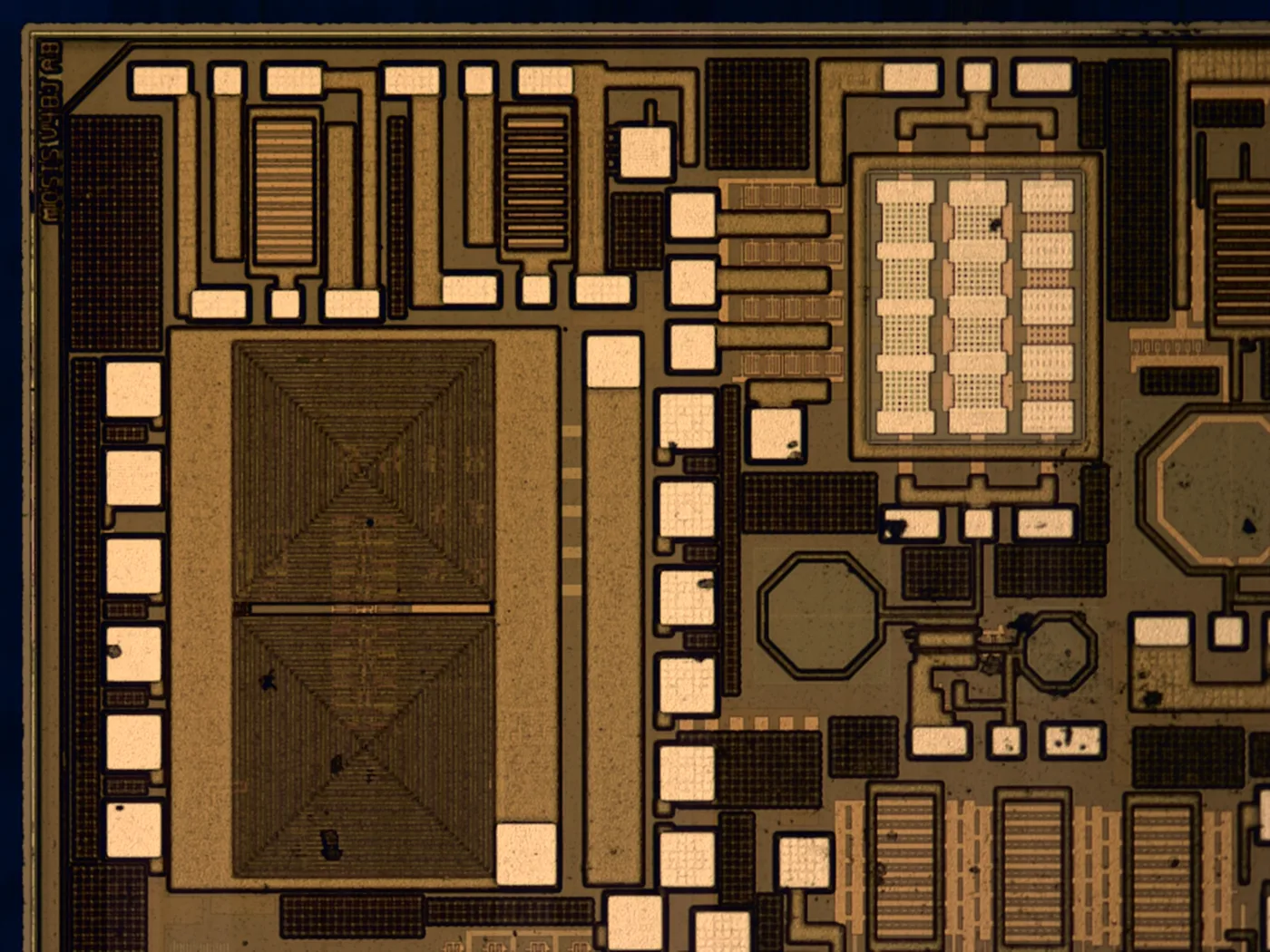
Support architecture, RTL and integration planning for teams moving from specification to implementation.
FIRST-SILICON CONFIDENCE
Design Verification
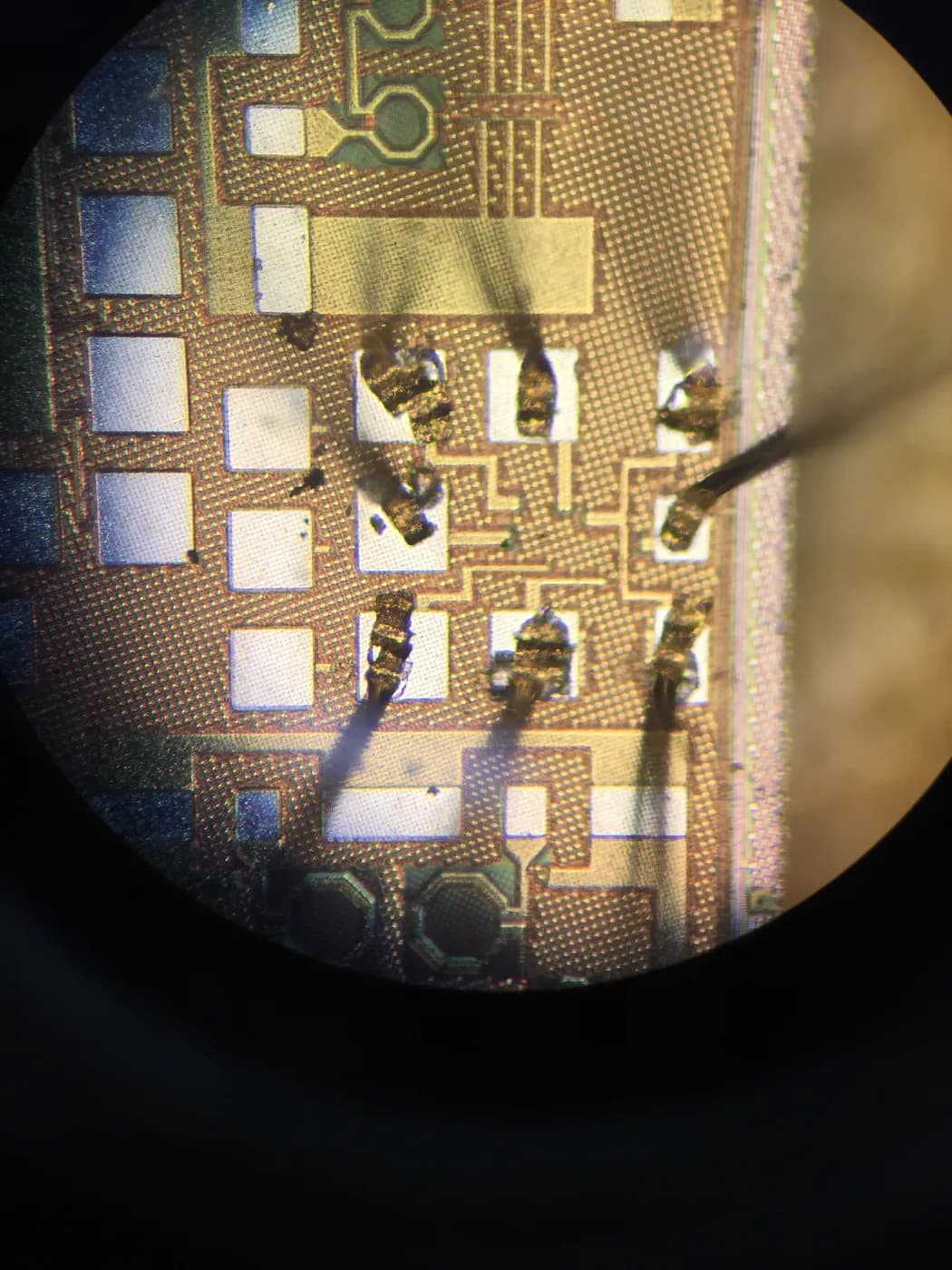
Strengthen first-silicon confidence with structured verification, validation planning and downstream debug preparation.
LOWER NRE · FASTER FIRST SILICON
MPW / Fab Shuttle
Compare public shuttle windows across foundries, control first-silicon cost and move from tape-out planning to wafer delivery with one execution path.
FOUNDRY COVERAGE
Foundry profiles to compare for this path
Compare public technology profiles for Physical Design & Layout, from advanced logic to mature analog, compound and specialty processes. PDK access, contracting route and current availability are confirmed for each project.
PLANNING TOOLS
Handoff checks and planning tools
Review declared handoff inputs with local-only checks, and keep cost and die-count estimates separate from engineering approval.
Die Per Wafer Calculator
Count complete dies from Shot/Field layouts with flat or notched wafer boundaries, edge clearance and optional yield estimates.
Open tool →Wafer & Unit Cost Calculator
Turn a wafer run into a per-chip cost: dies per wafer, yield, packaging and test, plus a target margin.
Open tool →Tape-out Budget Estimator
Full program model: DPW, yield, packaging, HBM, test, NRE and volume → unit cost, price and gross margin.
Open tool →GDSII Layout Metadata Check
Read GDSII record metadata, units, cells, layer/datatype pairs and unresolved or cyclic cell references without uploading or rewriting the file.
Open tool →