
Knowledge Hub · Topic
IP & licensing guides
Sourcing and licensing third-party IP: soft vs. firm vs. hard cores, royalty and licence models, the vendor landscape, ARM vs. RISC-V, and the integration pitfalls that stall tape-outs.
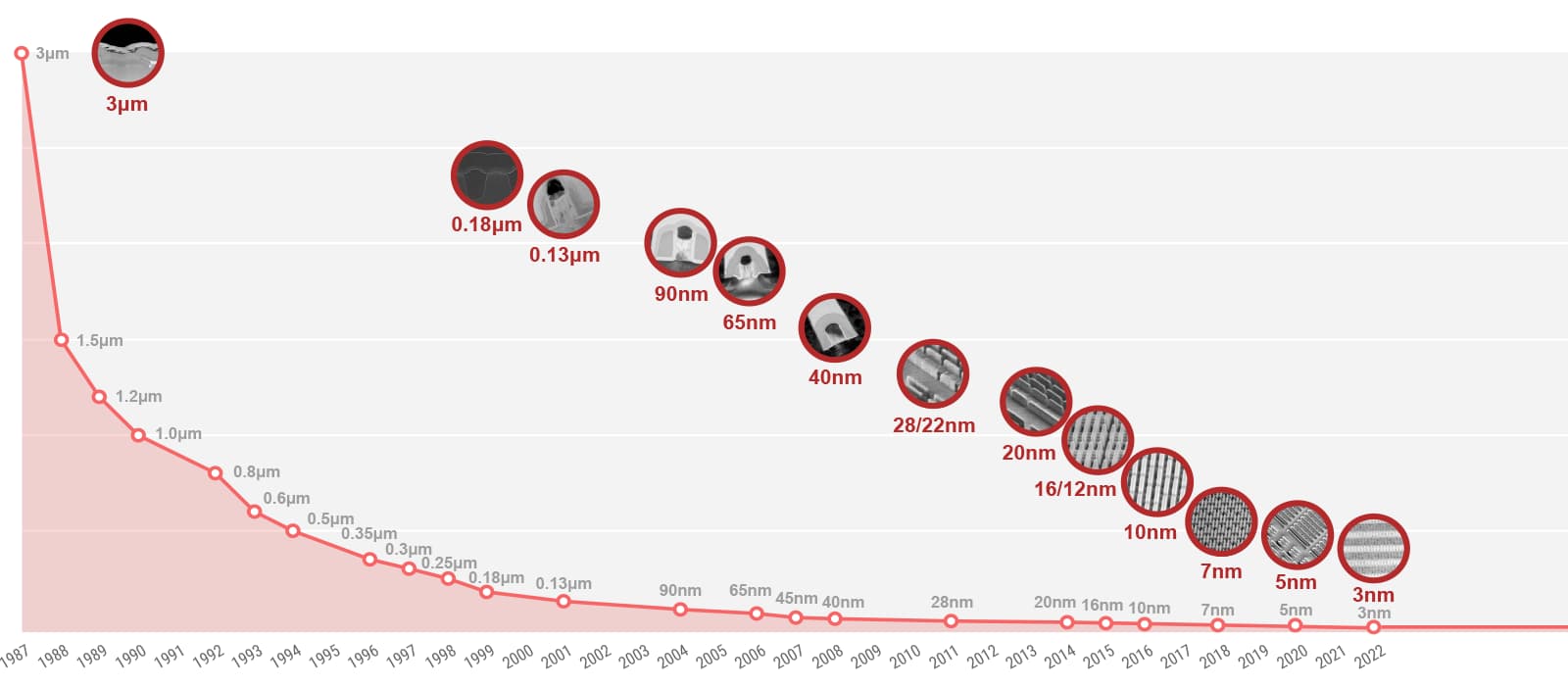
IP Fit Planning Before Tape-Out: A Checklist for ASIC Teams
IP choice is more than a licensing problem. This checklist walks through the four IP categories to settle first, license constraints, foundry qualification and the cost of last-minute changes.
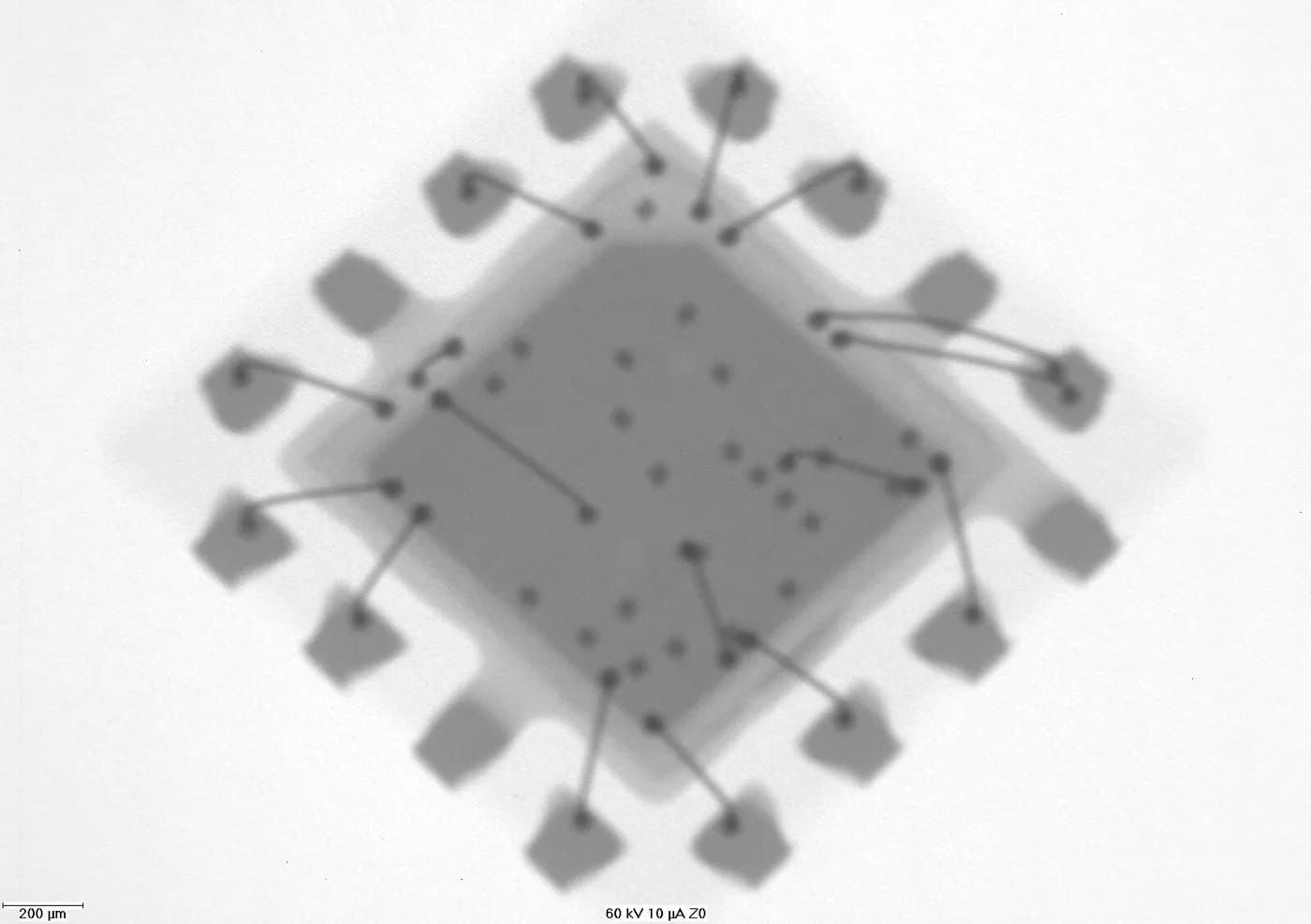
Soft, Firm and Hard IP: How to Choose for an ASIC Program
The same function can arrive as RTL, as a placed netlist, or as a hardened macro. Each has a different cost, risk and schedule profile.
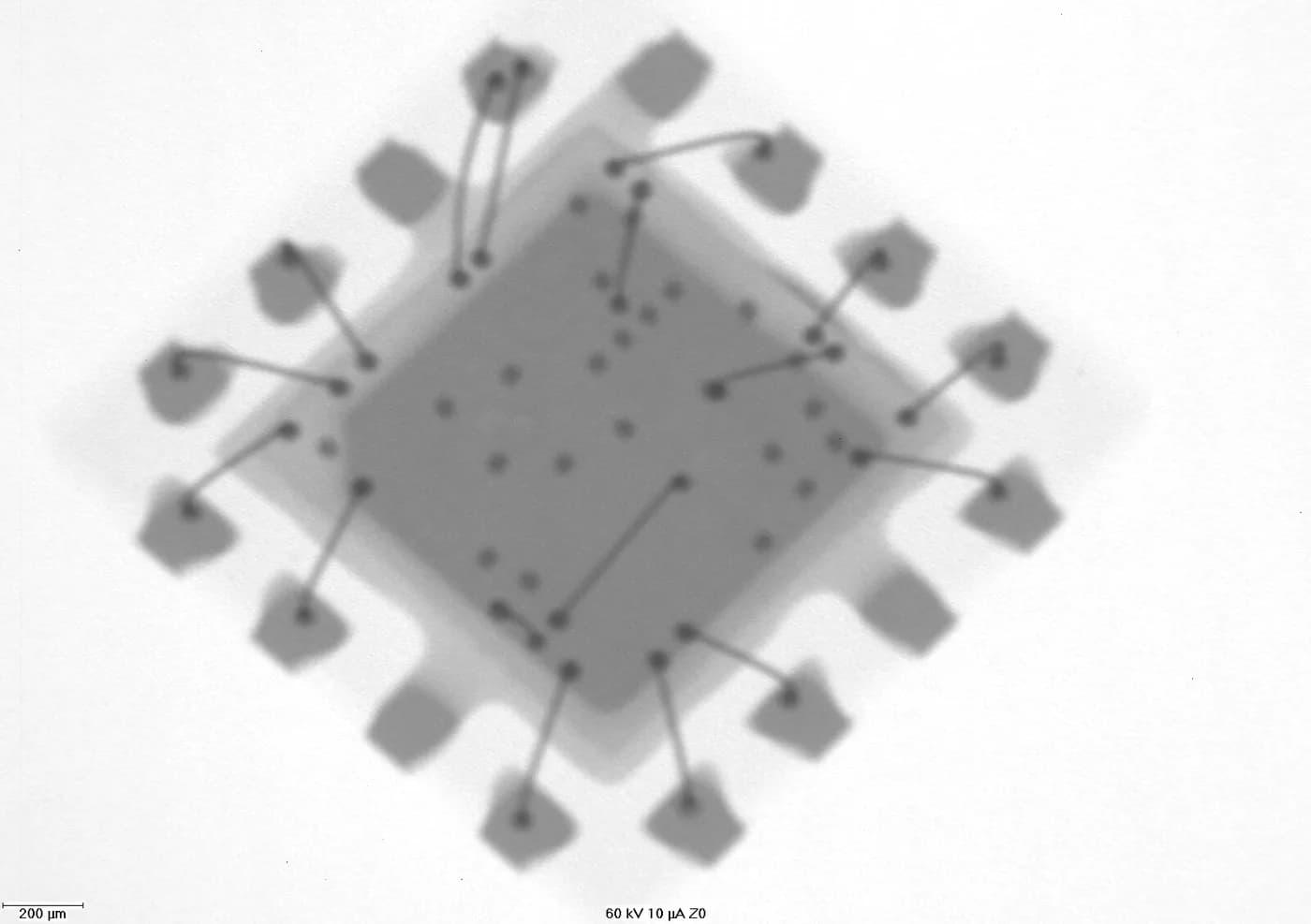
IP Licensing Models Explained: Upfront, Royalty, Subscription and Escrow
What you actually pay for an IP core, how per-die royalties behave at volume, and which contract terms decide whether a deal is good twelve months later.
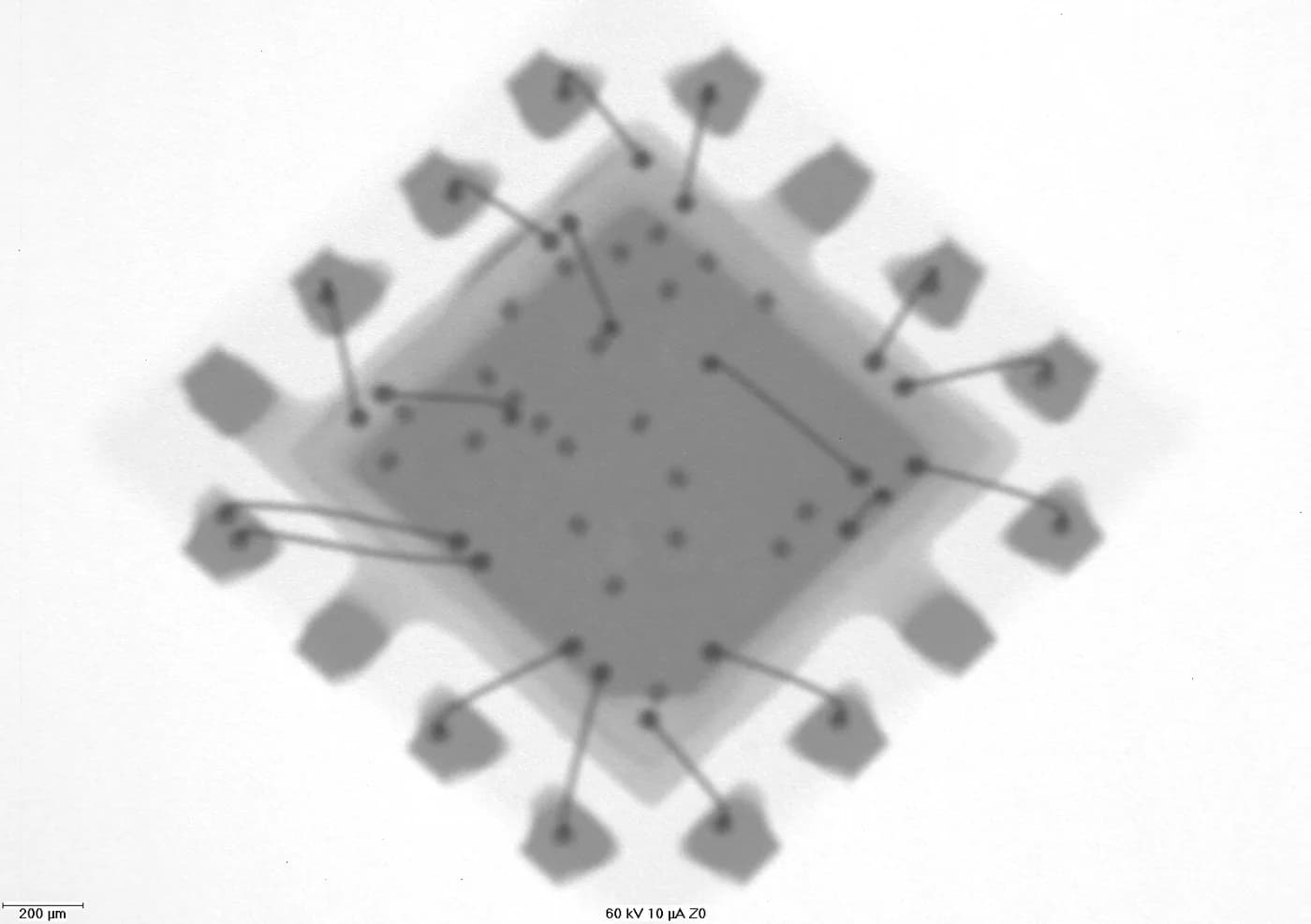
The IP Vendor Landscape: Who Sells What, and How to Shortlist
Foundry IP programmes, large EDA vendors, processor specialists and the open-source ecosystem each solve a different problem. A practical way to shortlist.
Arm vs RISC-V for an ASIC: How the Decision Actually Gets Made
The architecture debate is usually settled by software ecosystem and qualification evidence, not by the instruction set. What to weigh for a real program.
IP Integration Pitfalls: CDC, UPF, Timing and the Late ECO
Most IP problems are not in the core. They are in clock domain crossing, power intent, interface timing and the ECO that arrives two weeks before tape-out.
How to work through it
The order these decisions actually arrive in
01
Decide what to buy, not build
Standard cells, memory, PLLs, PHYs and CPUs are almost always bought. The buy-or-build line is drawn by schedule risk, not by licence fee.
02
Choose the delivery form
Soft RTL is portable and flexible; firm netlist trades flexibility for timing certainty; hard GDSII is fastest to integrate and least portable across foundries.
03
Model the money at your volume
Upfront licence against per-die royalty, single-use against multi-use, and the support and integration effort nobody puts in the spreadsheet.
04
Shortlist by block, not by brand
Each vendor is strong somewhere specific. A shortlist is built block by block — CPU, interface, memory, analog, security — then checked against your node.
05
De-risk integration before it stalls the tape-out
Clock domain crossing, power intent, timing closure and ECO are where IP-heavy programmes actually slip.
Which guide answers what
Pick by question, not by title
| Question | Read | What it settles |
|---|---|---|
| Which blocks should be licensed, not designed? | ip fit planning before tape out | The checklist that prevents a late IP surprise |
| Soft, firm or hard? | soft firm hard ip which to choose | What you receive, and who carries the integration risk |
| What will it cost at my volume? | ip licensing models explained | Upfront fees, royalties, subscriptions, escrow and the break-even volume |
| Arm or RISC-V? | arm vs riscv for asic | How the architecture decision is actually made on a real programme |
| Which vendor for which block? | ip vendor landscape | Foundry programmes, portfolio vendors and specialists, by block type |
| What breaks during IP integration? | ip integration pitfalls cdc upf timing | CDC, power intent, timing closure and the cost of a late ECO |
Numbers to sanity-check against
Reference figures
Portability
Hard IP is tied to a foundry and node — re-targeting means re-characterisation
Licence shapes
Upfront plus per-die royalty, single-use vs multi-use, subscription
Escrow
Source escrow adds a fee and an administrative step, and is often skipped
Integration risk
CDC, UPF power intent and timing closure are the usual slip points
Industry-wide reference points, not quotations. Your numbers depend on node, package, volume and test coverage — model them with the tools below.
EXECUTION
How TOMPW runs it
Third-party semiconductor IP sales and sourcing, with process-fit review, licensing coordination and clearly scoped integration support.
IP Cores & Licensingservice →