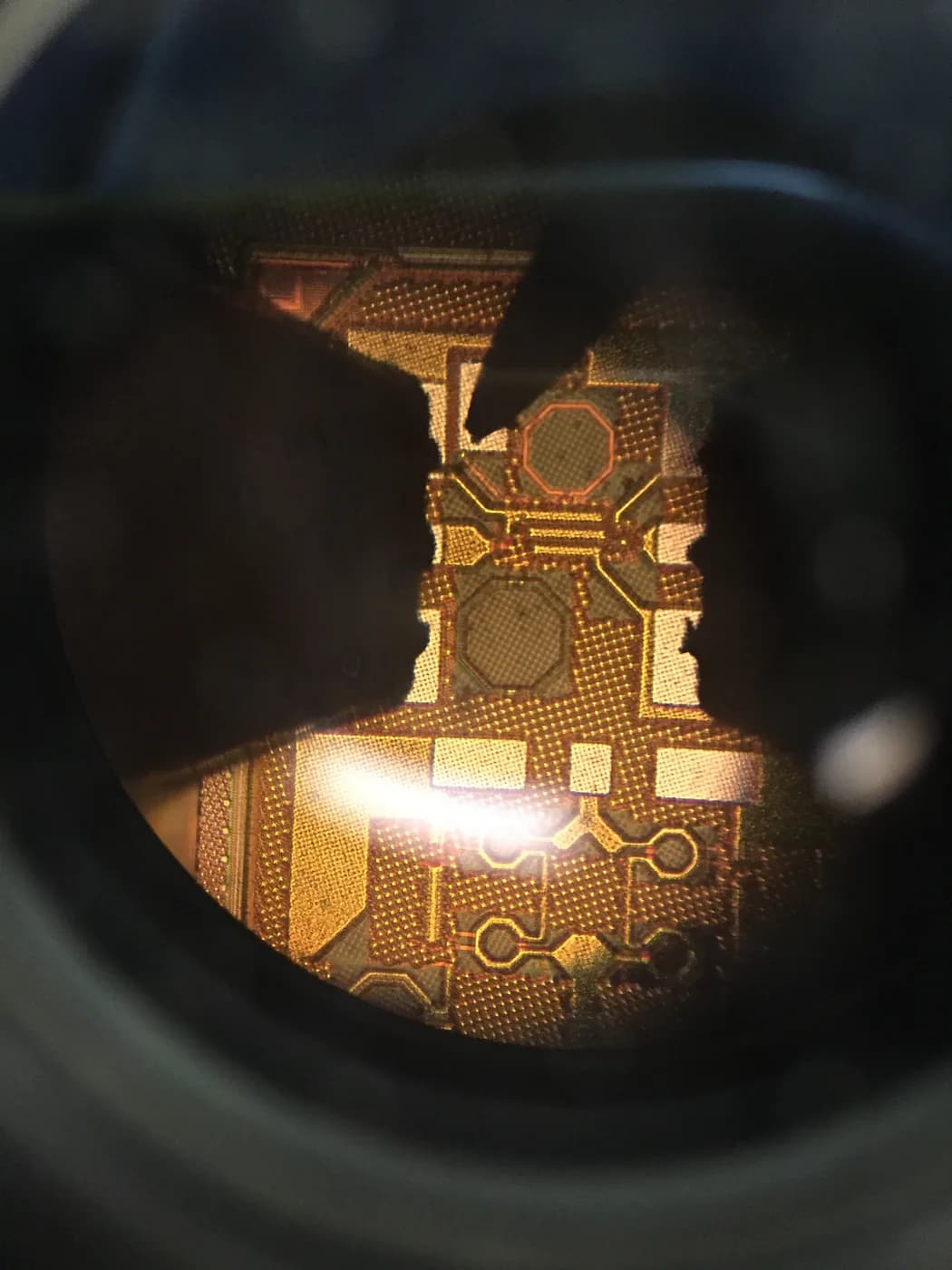
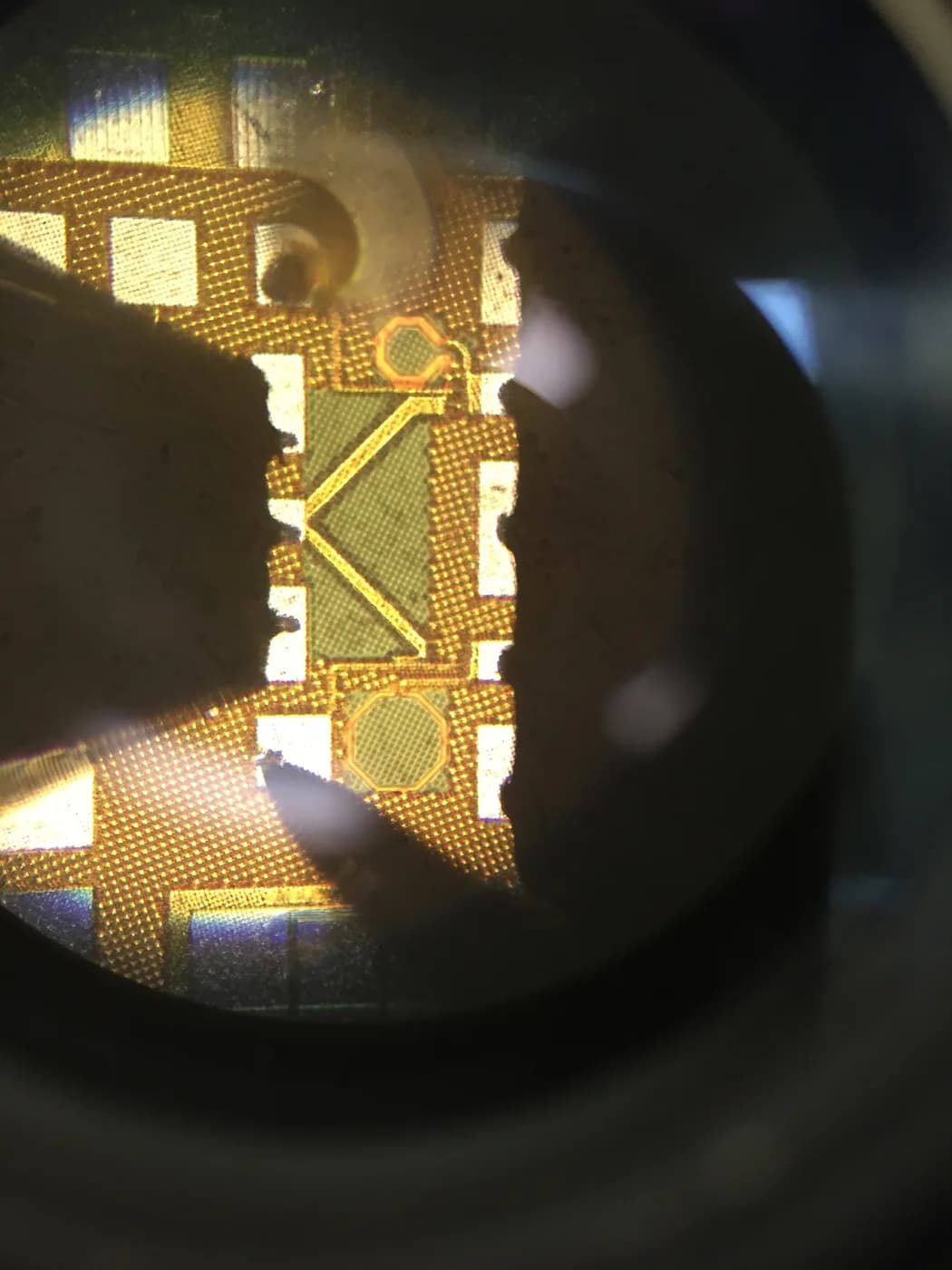
Most IP discussions start with the wrong question. Teams ask which IP to license, when the more useful question is which IP must be locked down before the foundry is chosen.
Get those four or five decisions right and the rest of the program — verification, physical design, packaging, test — gets measurably easier.
Why IP Planning Comes Before Process Planning
Process selection and IP selection are not independent. A node may look attractive on paper, but if the interface IP you need is not foundry-qualified for it, schedule slips quickly.
Treat IP as the constraint and the process as the variable. It usually gives a more defensible plan.
The Four IP Categories to Lock Down First
Across most ASIC programs the same four categories drive schedule and cost more than anything else.
- Interface IP — USB, PCIe, Ethernet, MIPI, DDR/LPDDR controllers and PHYs
- Memory IP — SRAM/ROM compilers, eFlash/eEEPROM controllers
- Analog IP — PLL, ADC/DAC, voltage regulators, SerDes building blocks
- Transceiver IP — radio, mmWave, high-speed SerDes
MPW vs. Full-Mask License Terms
Several IP vendors treat MPW use differently from full-mask production. Some require a separate evaluation agreement, some charge a higher per-die royalty for prototype runs, and some restrict MPW use entirely.
Confirm license terms with the IP vendor before booking a shuttle. This is one of the cheapest due-diligence steps and one of the most often skipped.
Hardening: One Node, One Library, One Sign-Off
A hard macro is committed to a single PDK and library version. That is the whole point of hardening — it buys you timing and power that are characterised rather than estimated — and it also means moving to another foundry or node is re-hardening, not a file conversion.
Before hardening starts, two questions need written answers: does the licence permit hardening at all, and does it permit the resulting macro to be used in production? Some vendors gate both behind a separate addendum. For MPW tape-outs, foundry-qualified IP is usually required, so hardening time and cost belong in the schedule from the start.
Royalty vs. Upfront: A Commercial Trade-Off
Upfront fees buy access. Royalty fees pay for production use. The right mix depends on expected volume and the MPW-to-mask transition plan.
Some vendors offer a royalty cap or a one-time conversion to a fully paid-up license. Negotiate this early; it rarely improves later in the program.
Where TOMPW Helps
TOMPW does not sell IP. The value here is helping teams think through IP fit, license constraints and the transition from MPW to production before the design is committed to a process.
Where IP procurement is already in motion, we help flag schedule risk and coordinate verification and physical design around the IP choices that have already been made.