Navigating the Global Chip Shortage: MPW Alternatives When Lead Times Stretch Beyond Limits
By mid-2021, the global semiconductor shortage had evolved from a post-COVID rebound issue into a structural crisis affecting virtually every segment of the electronics industry.
Lead times at major foundries stretched to 18–26 weeks for mature nodes and even longer for advanced nodes and specific process technologies. Packaging houses reported similar backlogs, with some lead-out times exceeding 20 weeks for advanced packages like FC-BGA.
For ASIC teams caught in this crunch, traditional full-mask procurement paths became impractical. Many turned to MPW shuttles, alternative foundries and creative sourcing arrangements to keep programs moving.
How Bad Did Lead Times Get?
According to data from Gartner and Susquehanna International Group, the average semiconductor lead time increased from approximately 10–12 weeks in early 2020 to over 19 weeks by mid-2021 — a level not seen since the early 2000s dot-com era inventory buildup.
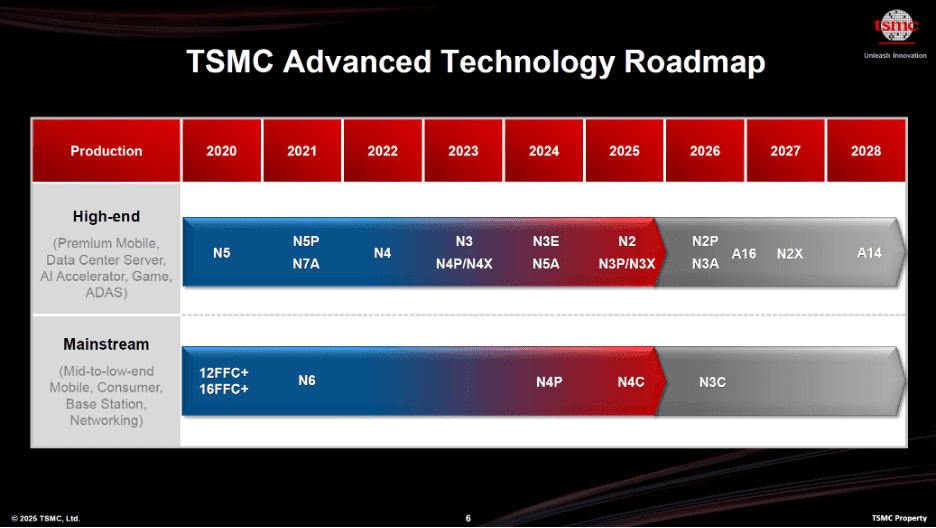
Specific pain points included: MCU and power management IC lead times exceeding 40 weeks, automotive-grade logic devices at 26–35 weeks, and foundry capacity at 28nm and below booked solid through late 2021 and into 2022.
For ASIC teams, this meant that starting a new full-mask tape-out in mid-2021 could easily result in first silicon arriving in 2022 — timeline that was unacceptable for many product schedules.
- Average lead time growth: ~80% increase from 2020 to 2021 peak
- MCU and PMIC categories hit hardest: 35–50 week lead times reported
- Advanced node (7nm/5nm) capacity: fully allocated to large customers through end of 2021
- Packaging bottleneck: substrate and assembly lead times doubled in many regions
Why MPW Shuttles Became a Critical Alternative
During the shortage, MPW shuttles offered two distinct advantages over full-mask engagements.
First, shuttle organizers often had pre-allocated capacity agreements with foundries that gave them priority access even when spot-market bookings were unavailable. Second, the shared-mask model reduced the total wafer volume required per participant, making it easier to fit into constrained capacity allocations.
For teams that needed functional silicon for validation, customer sampling or production bridging, an MPW slot became one of the few reliable paths to obtaining die within a reasonable timeframe.
- Pre-allocated shuttle capacity bypassed some of the worst queue delays
- Smaller per-team wafer volume was easier to accommodate in tight capacity
- Some teams used MPW specifically as a 'bridge' solution while waiting for full-mask capacity
- Shuttle close dates became a scarce resource — advance booking became essential
Alternative Strategies That Emerged in 2021
Beyond MPW shuttles, teams adopted a range of alternative approaches to navigate the shortage.
- Node downscoping: Moving from 7nm to 14nm/12nm or 28nm to access available mature-node capacity
- Second-source qualification: Engaging backup foundries proactively in case primary source faced further disruption
- Die bank / warehousing: Ordering excess wafers when capacity was available to buffer against future shortages
- Redesign for availability: Modifying specifications to use components that were actually procurable
- Broker and distributor leverage: Using established intermediaries with existing allocation relationships
What the Shortage Taught Us About Supply Planning
The 2021 shortage exposed fragilities in just-in-time semiconductor procurement models that many companies had optimized around over the preceding decade.
For ASIC programs going forward, the lesson is clear: building buffer into the supply chain — whether through strategic inventory, dual-source qualification or flexible node targeting — is not inefficiency but risk management.
Teams that had maintained relationships with MPW shuttle operators and secondary foundries found themselves far better positioned than those who had optimized exclusively around a single full-mask, single-foundry path.