Why packaging lead times should be reviewed before MPW slot confirmation
Packaging is often treated as something to solve after a shuttle slot is locked. In real projects, that is usually too late.
For overseas teams, the bigger risk is not whether a fab window exists in theory, but whether package outline, substrate assumptions, test plan, and sample-delivery expectations have already started drifting before tape-out is finalized.
What happened
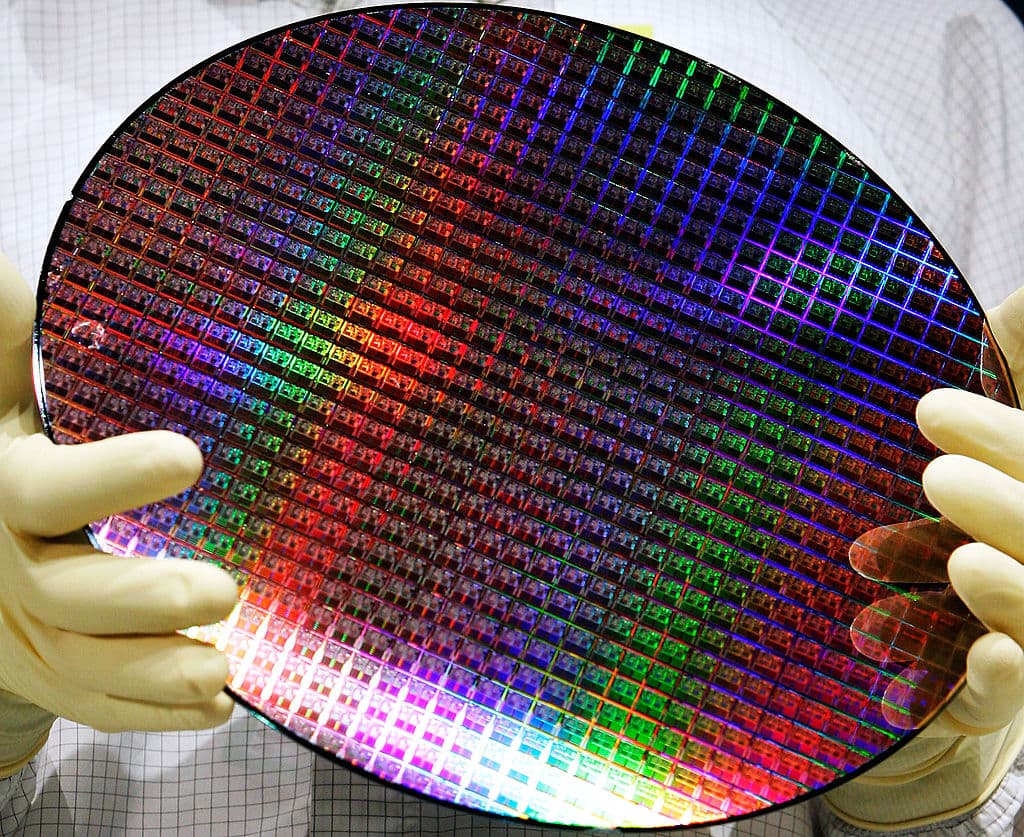
Many first-silicon teams still run MPW planning in a wafer-first sequence: foundry slot first, packaging later, test after that. That sounds efficient, but it usually hides the schedule pressure until the design package is already committed.
The issue becomes more visible when customers need engineering samples soon after wafer return, or when the package path includes extra coordination around substrate, assembly house capacity, reliability expectations, or board readiness.
Why it matters
An MPW schedule does not end at GDS submission. It only marks the point where upstream design timing and downstream execution timing start colliding.
If package decisions are still vague at slot-confirmation time, several problems tend to appear together: sample expectations become unrealistic, evaluation-board timing slips, and test planning starts with incomplete assumptions. That does not always break the project, but it often turns a nominally on-time shuttle into a delayed customer sample.
For most buyers, the practical question is not whether packaging can be arranged later. It is whether the packaging path has been narrowed enough early on to prevent avoidable rework after tape-out.
What buyers should watch
- If the product needs customer samples quickly after wafer-out, package and test assumptions should be aligned before the MPW slot is treated as confirmed.
- If multiple package options are still open, the team should identify which choice changes board, thermal, or test setup the most.
- If the project depends on overseas delivery milestones, schedule buffers should cover more than wafer timing alone.
TOMPW take
For overseas teams, the more important question is not whether an MPW window is technically available, but whether the design, package, test, and sample-delivery path can be aligned early enough to avoid a quiet delay after tape-out.
In practice, the strongest projects use MPW planning as the trigger to narrow package direction, not as permission to postpone it.
Frequently Asked Questions
Q: Should package selection be fully frozen before MPW submission?
Not always. But the realistic package path, major constraints, and downstream test implications should already be clear enough that the team is not making first-order packaging decisions only after the wafer slot is secured.