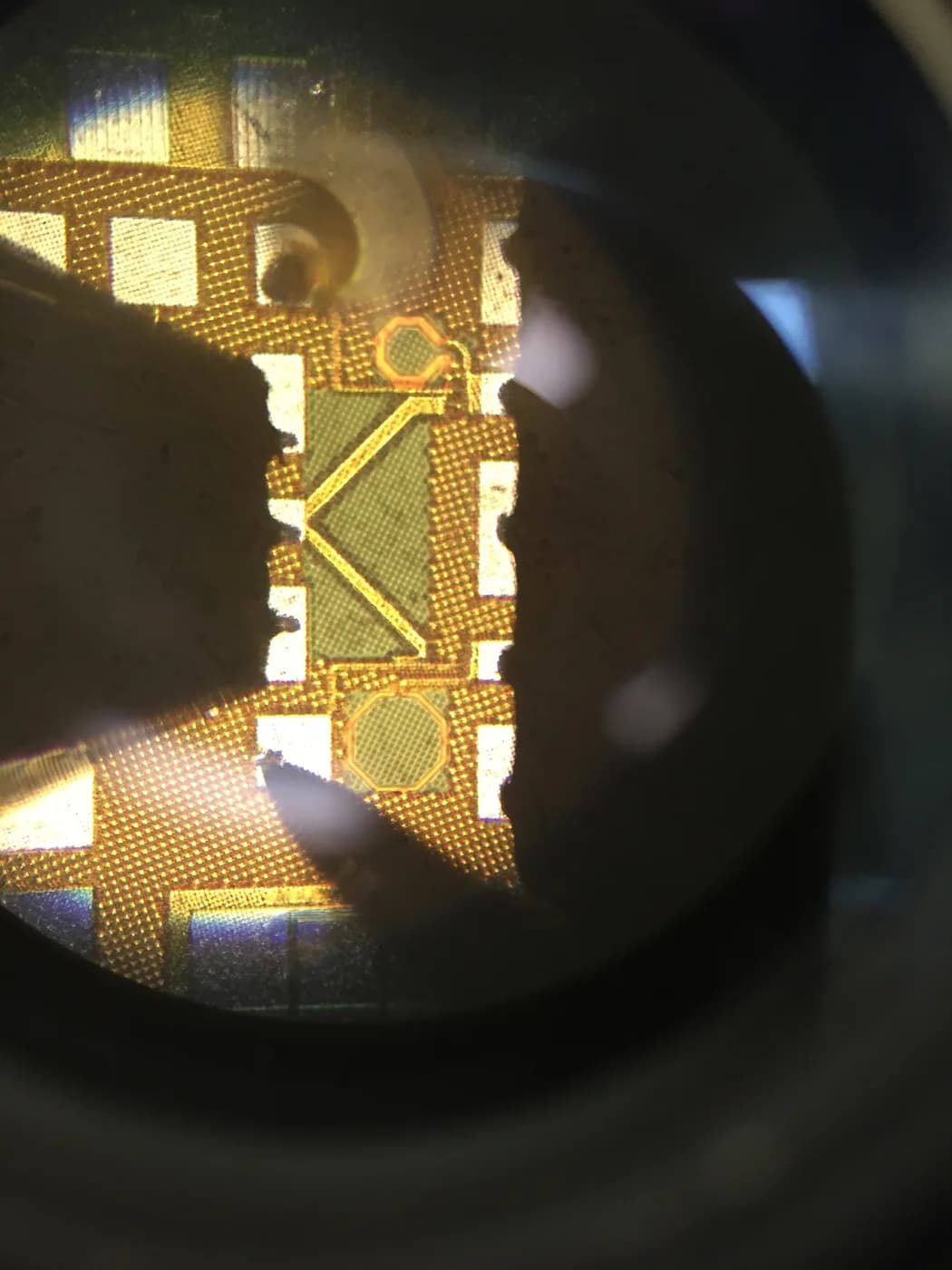
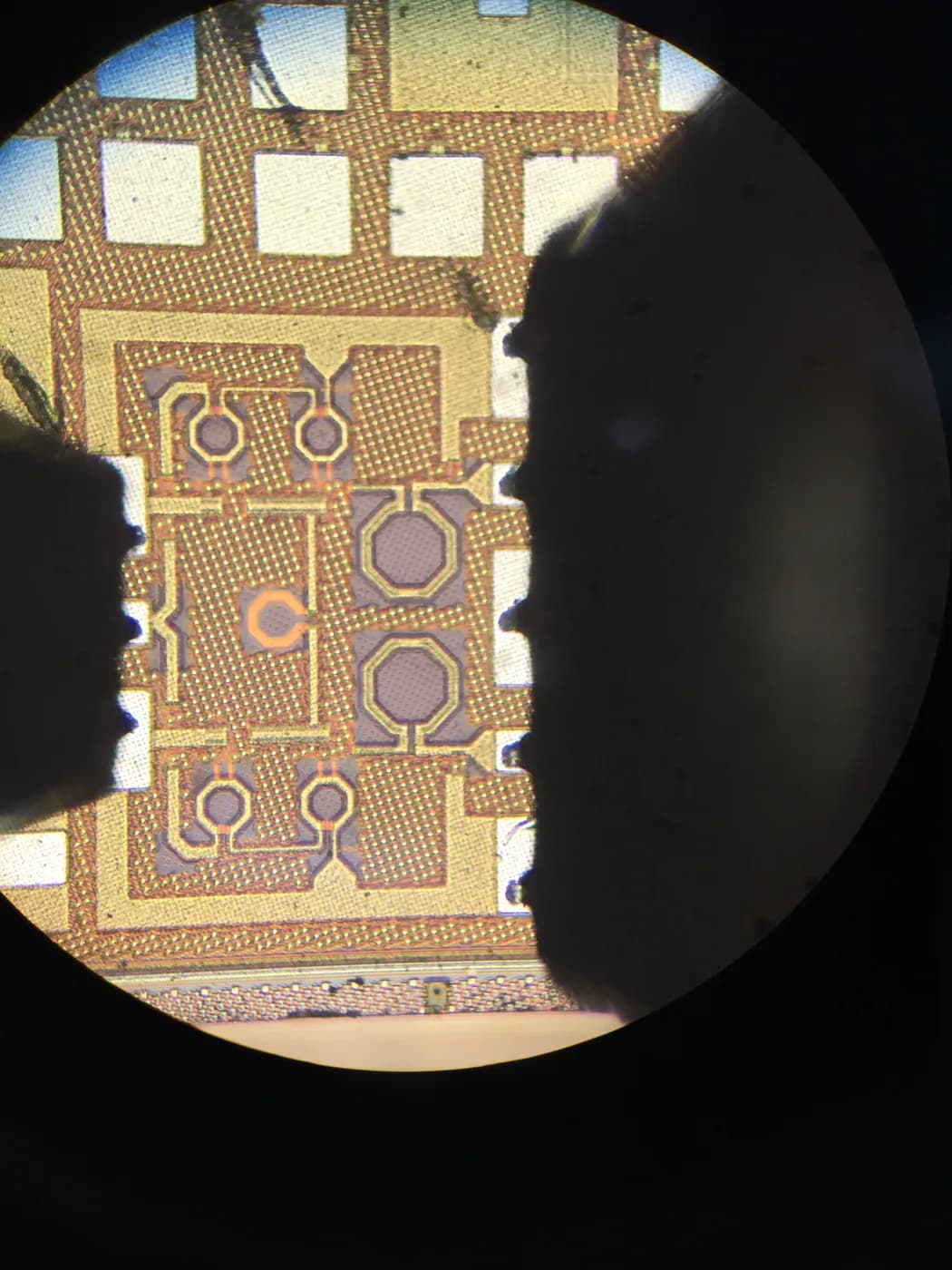
MPW versus full mask is usually the first real sourcing decision a chip team meets, and it is easy to frame it only as a cost question.
In practice the choice is about risk, volume, schedule and how much of the design is still uncertain. Getting it right early protects both budget and momentum.
What MPW Means
MPW stands for multi-project wafer. Several customer designs share one reticle or one wafer run, so the non-recurring mask cost is split across multiple projects.
That makes MPW attractive when the goal is learning, validation, engineering samples or early customer sampling rather than immediate high-volume manufacturing.
- Lower mask NRE because cost is shared across designs
- Access to real silicon before committing to production
- Smaller die quantity per run, typically tens to a few hundred pieces
- Slower effective start because the design waits for a shuttle slot
What Full Mask Means
Full mask uses a dedicated reticle built only for one customer. The entire mask set and wafer capacity are yours, which removes sharing constraints.
This is the production path: higher non-recurring cost, but faster dedicated cycle time and full wafer volume once the design is stable.
- Dedicated reticle with no sharing with other designs
- Higher mask NRE that rises sharply at advanced nodes
- Faster dedicated cycle and full production volume
- Best when the design is validated and volume is committed
Where NTO Fits Between Them
NTO, or new tape-out, is often a dedicated reticle run used as a pilot or bridge before full production.
It gives a team a committed mask without immediately committing to the highest production volume, which helps when the design is close but not yet proven at scale.
Side-by-Side Trade-Offs
Mask NRE: MPW is typically a fraction of a full mask set; full mask NRE grows rapidly as the node becomes more advanced.
Per-die cost: MPW looks cheap in NRE but expensive per die; full mask is the opposite, with low per-die cost only at volume.
Lead time: MPW waits for a shuttle window; full mask starts on your schedule but carries a larger upfront commitment.
Volume and risk: MPW limits exposure while the design is uncertain; full mask assumes the design is ready for scale.
A Practical Decision Framework
Choose MPW when the design still has learning risk, the business case is unproven, or only engineering samples are needed.
Choose full mask when the design is validated, volume is committed and the schedule cannot absorb shuttle wait.
Use NTO when the design is nearly ready but the team wants a dedicated run before full production scale.