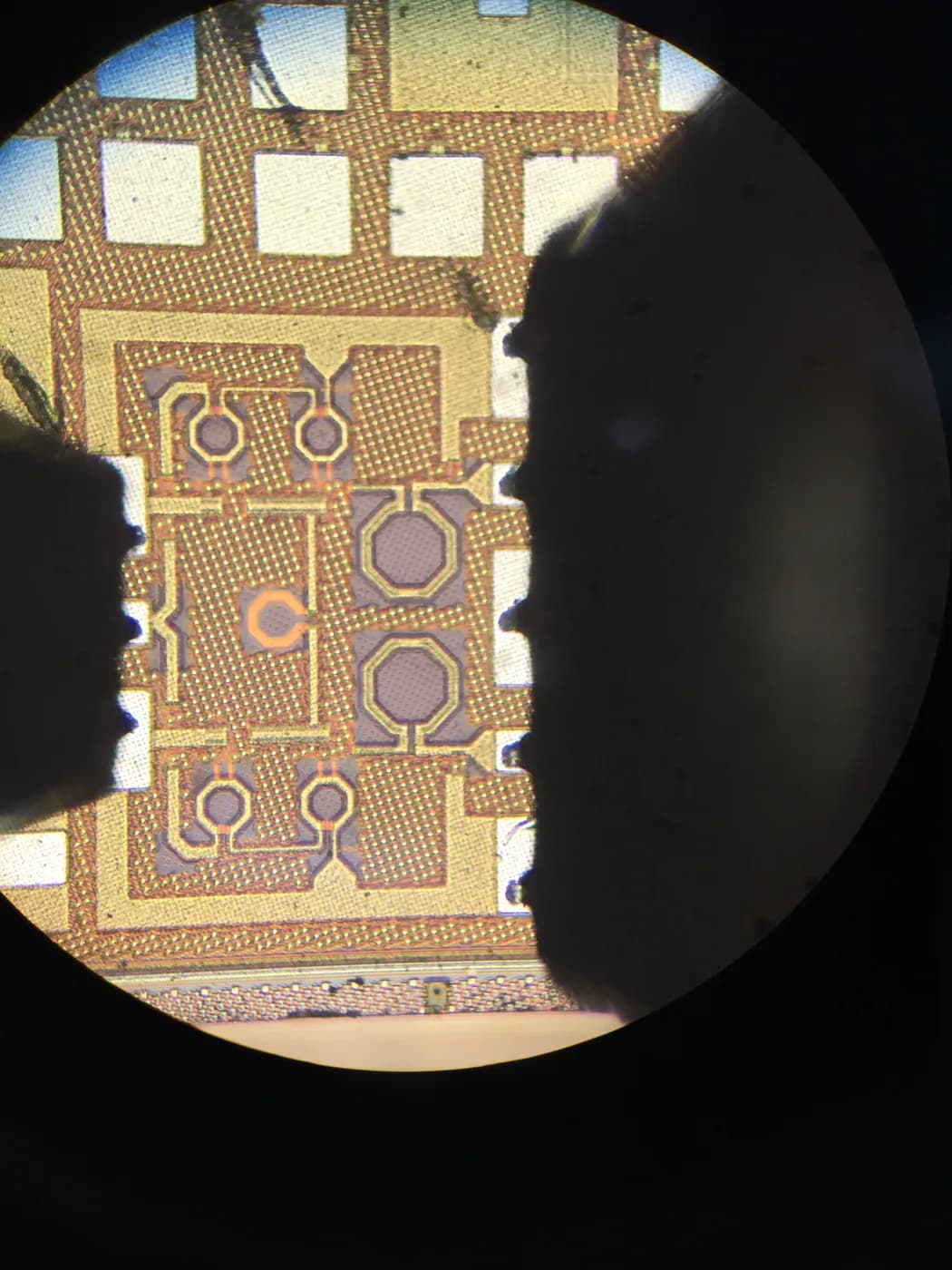
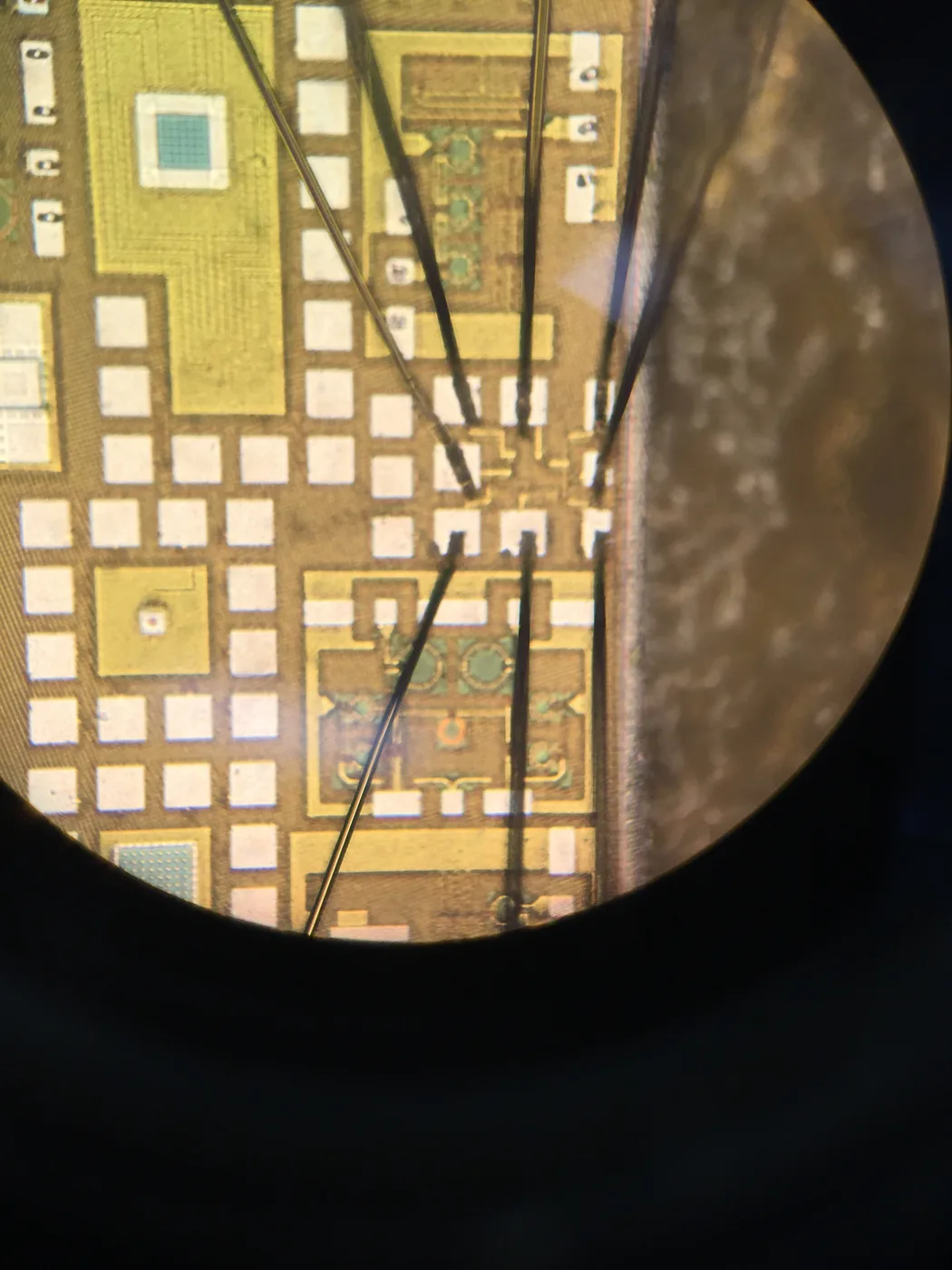
Many semiconductor teams discover MPW only after they already have a design and a budget problem. That is backward.
MPW should be understood much earlier because it is often the most practical way to validate first silicon without taking on the full cost of a dedicated mask set.
What MPW Actually Does
MPW stands for multi-project wafer. Multiple customers share one mask run, which spreads non-recurring engineering cost across several designs.
That makes MPW useful when the goal is learning, validation or early customer sampling rather than immediate high-volume manufacturing.
- Lower upfront mask cost
- Access to real silicon before committing to production
- A practical path for startups, labs and new product teams
When MPW Is Usually the Right Choice
MPW is strongest when the design still has uncertainty, the business case is still being tested or the team needs engineering samples before a production decision.
It is also a good fit when the buyer wants to compare package, test and downstream board needs before locking a larger manufacturing path.
How MPW Fits Into the Full Delivery Chain
A wafer run alone is rarely the end of the story. Most teams still need package planning, test definition and some level of board or firmware support to make first silicon useful.
That is why TOMPW positions MPW as part of a broader program path rather than a single transaction.
The Real Buying Question
The question is not simply whether MPW is cheaper. The real question is whether the current stage of the program justifies avoiding full production commitment.
If the design still needs learning and validation, MPW is usually the right commercial and technical starting point.